Featured
Table of Contents
- – Understanding the Neurobiological Structure of...
- – Peter Knoblich
- – EMDR Therapy: Reciprocal Excitement for Trauma...
- – Ego-State Treatment: Dealing With Internal Par...
- – Photo Transformation Therapy: Improving Distre...
- – Treating Stress And Anxiety and Depression Wit...
- – Searching For Holistic Trauma Treatment: What ...
The landscape of injury therapy has actually progressed considerably over the past 20 years, relocating beyond conventional talk treatment to welcome body-centered, neurobiologically-informed strategies that address the full intricacy of human suffering. For people dealing with anxiety, anxiety, and the long-term influences of injury, alternative therapeutic modalities offer paths to healing that recognize both the emotional and somatic measurements of distress. Professionals that integrate strategies like EMDR therapy, ego-state therapy, and photo makeover therapy represent a paradigm shift in psychological healthcare-- one that recognizes injury as a whole-person experience calling for comprehensive treatment.
Understanding the Neurobiological Structure of Injury Treatment
Peter Knoblich
I am a physician specializing in mood disorders with practices in Roseville, Folsom and Yuba City. I have been referring my patients to Dr. Hamilton and Kimberly Sanders for over fifteen years. Without exception, every one of my patients have been helped and have had nothing but the highest opinions of both of these exceptional psychotherapists. Both have been of immense assistance to my most complicated patients when medications alone have been insufficient to remit their myriad symptoms and difficulties. Both have been very helpful in identifying and addressing the things that patients deal with in their lives that impede recovery, those life events and stressors that we physicians often miss in our medical - pharmocological approach to depression and anxiety disorders. Moreover, there are too many to count instances where Dr. Hamilton's and Kimberly's insight has been pivotal in helping me to establish a more accurate diagnosis in complicated mood disorder patients. Likewise, I've been honored to consult with them on many of their patients who they both accurately and quickly recognized as having a mood disorder for which psychotherapy plus medications would be the most effective treatment strategy to achieve full recovery. It is an invaluable quality in a psychotherapist to recognize psychiatric disorders that require medical treatment as well as psychotherapy to achieve stabilization and resolution. You can be assured that Dr. Hamilton and Kimberly Sanders will treat you with the utmost care, compassion and competence. Without reservation they both have receive my highest recommendations! Peter Knoblich M.D.
Injury basically alters how the brain processes and shops memories, producing consistent patterns of hyperarousal, emotional numbing, and invasive recollections that define PTSD and facility trauma. Unlike common memories that integrate right into our autobiographical narrative, stressful experiences typically remain fragmented and unprocessed, stored in implicit memory systems that cause fight-flight-freeze feedbacks without conscious recognition. This neurobiological fact explains why just speaking about trauma, while valuable, usually verifies not enough for full recovery.
Modern injury treatments target these subcortical brain structures where distressing memories stay. EMDR treatment makes use of reciprocal excitement-- usually eye movements-- to facilitate the brain's all-natural info processing system, permitting distressing memories to be recycled and incorporated. Ego-state therapy collaborates with various parts of the self that created as protective feedbacks to frustrating experiences, helping these fragmented elements connect and collaborate. Image makeover therapy employs directed imagery to accessibility and change the sensory, psychological, and cognitive elements of distressing memory.
The performance of these techniques depends on their capacity to collaborate with the limbic system and brainstem-- primitive brain regions that control psychological law and survival reactions. By involving these much deeper frameworks, alternative trauma therapy creates changes that chat treatment alone can not attain, essentially rewiring the neural pathways that keep individuals entraped in cycles of anxiety, anxiety, and stressful sensitivity.
EMDR Therapy: Reciprocal Excitement for Trauma Handling
Eye Motion Desensitization and Reprocessing, developed by Dr. Francine Shapiro, has become one of one of the most extensively looked into trauma treatments available. The treatment operates on the Adaptive Data processing design, which proposes that psychological distress arises from improperly refined memories. During terrible events, the brain's normal assimilation procedures end up being overwhelmed, leaving memories stored in fragmented, unrefined kinds that continue generating signs.
EMDR sessions comply with a structured eight-phase procedure that begins with history-taking and preparation prior to relocating into memory reprocessing. During reprocessing, customers concentrate on disturbing photos, adverse beliefs, and body feelings while concurrently taking part in bilateral stimulation-- most generally following the therapist's fingers with their eyes. This twin focus shows up to mimic the all-natural handling that happens during rapid eye movement, allowing the brain to metabolize stressful material and develop more flexible neural connections.
What differentiates EMDR from exposure therapy is that customers need not offer thorough verbal stories of their trauma. The reprocessing occurs greatly at a neurological level, making EMDR especially beneficial for preverbal injury, dissociative symptoms, or experiences as well frustrating to explain in words. Numerous clients report considerable sign reduction in less sessions than conventional therapy, though complicated injury typically needs extra extensive treatment.
The applications of EMDR prolong beyond PTSD to consist of anxiety conditions, depression, anxieties, and anxiety attack. When these problems have stressful origins-- damaging youth experiences, bullying, medical injury, accidents-- EMDR addresses the resource instead than merely taking care of symptoms. This root-cause approach straightens with alternative treatment ideology that looks for sustainable healing as opposed to momentary signs and symptom suppression.
Ego-State Treatment: Dealing With Internal Parts for Assimilation
Ego-state therapy recognizes that the subconscious naturally organizes right into distinct components or states, each with its own point of view, feelings, and safety functions. While everybody has vanity states-- think about the part that intends to be productive versus the component that needs rest-- injury enhances these departments, producing internal fragmentation that manifests as conflicting impulses, dissociative symptoms, or feeling "" at war with on your own.""
Created from hypnosis and psychoanalytic traditions, ego-state treatment assists clients identify and communicate with different components of themselves, especially those frozen in distressing time. A component may continue to be stuck at age seven, still frightened and waiting on danger, while adult life proceeds around it. These more youthful parts commonly carry the psychological intensity of trauma while safety components created elaborate techniques-- perfectionism, emotional numbing, hypervigilance-- to stop retraumatization.
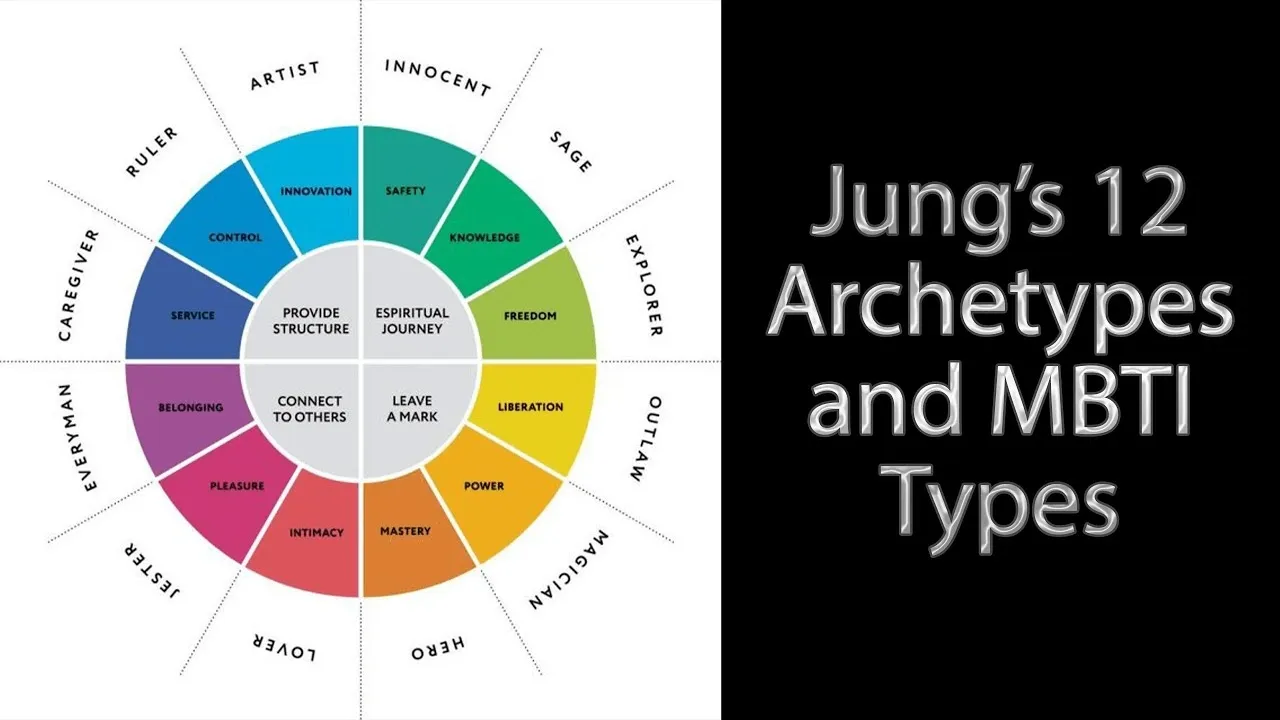
Knowledgeable ego-state specialists assist in inner dialogue and arrangement in between parts, assisting them update their understanding of existing safety and work together instead than dispute. This technique shares resemblances with Internal Family Solutions treatment however stresses the hypnotic and somatic dimensions of accessing different states. Clients learn to give the care and recognition their shocked parts required yet never ever received, basically reparenting themselves from the within out.
For people with complex trauma or dissociative signs and symptoms, ego-state therapy offers a framework for making sense of complex internal experiences. Instead of pathologizing the fragmentation that allowed survival, this technique honors the flexible sparkle of the psyche while carefully helping with the combination needed for present-day thriving.
Photo Transformation Therapy: Improving Distressing Memory With Visualization
Photo makeover therapy (ImTT) represents a lesser-known yet effective technique that functions straight with the visual, sensory, and emotional components of traumatic memory. Based upon research study revealing that traumatic memories retain their sensory intensity-- staying as frightening as the initial occasion-- this treatment overviews customers via a procedure of deliberately changing these psychological pictures to lower their psychological cost.
The technique entails determining the most troubling photo connected with a traumatic memory, after that systematically transforming its visual features. Clients could visualize transforming a color image to black and white, shrinking it to postage-stamp dimension, placing it far in the range, or introducing safety components right into the scene. These makeovers do not deny the reality of what happened but change how the memory is kept and obtained, decreasing its ability to activate overwhelming emotional feedbacks.
What makes image change especially valuable is its gentleness and client control. Unlike exposure-based treatments that call for continual contact with stressful product, ImTT permits clients to experiment with little changes, building mastery and safety. The approach functions specifically well for visual flashbacks, headaches, and phobias where a specific photo or scene sets off disproportionate distress.
All natural experts commonly combine picture change with other techniques, using it as a stablizing technique before much deeper injury processing or as a method to combine gains from EMDR or ego-state work. The visualization skills developed via ImTT additionally enhance total emotional law, offering customers tools they can make use of independently when triggering photos emerge.
Treating Stress And Anxiety and Depression With a Trauma-Informed Lens
Contemporary research progressively exposes that anxiety and clinical depression typically have terrible bases, even when no solitary devastating event is identified. Persistent invalidation, emotional neglect, unpredictable caregiving, and ongoing tension all register as trauma in the nerve system, creating enduring patterns of hypervigilance, hopelessness, and emotional dysregulation. Treating these conditions holistically suggests dealing with both current signs and their developing origins.
Stress and anxiety often stands for an overactive risk discovery system adjusted by early experiences of danger or changability. Instead than seeing anxiousness as unreasonable or disordered, trauma-informed treatment identifies it as a smart-- if obsoleted-- protective reaction. Strategies like EMDR can desensitize the specific memories that educated the worried system the world is dangerous, while ego-state work assists anxious parts feel heard and gradually find out to rely on contemporary safety and security.
Clinical depression, particularly the persistent, treatment-resistant variety, commonly hides unrefined grief, rage, or embarassment pertaining to terrible experiences. The flatness and sadness of anxiety can represent a nerves closure action-- freeze or collapse-- that stemmed as defense from overwhelming hazard. Holistic trauma therapy reactivates these icy states progressively and safely, permitting reduced emotions to move with the system and recovering the ability for pleasure and connection.
The assimilation of numerous methods confirms specifically valuable for anxiousness and depression since these conditions rarely have single reasons. A detailed treatment strategy might utilize EMDR for certain traumatic memories, ego-state therapy for interior disputes, and photo makeover for invasive fears or depressive ruminations, all supported by mindfulness and somatic methods that build present-moment recognition and nerves law.
Searching For Holistic Trauma Treatment: What to Seek in a Practitioner
The efficiency of trauma treatment depends significantly on both the techniques employed and the therapist's ability, presence, and dedication to ongoing training. When looking for all natural injury treatment, several factors identify truly integrative specialists from those who just detail multiple accreditations without deep proficiency.
Look for specialists with extensive post-graduate training in their specialized modalities. EMDR certification requires significant monitored technique beyond standard training, while ego-state treatment demands understanding of dissociation, add-on, and parts job. Specialists that on a regular basis participate in sophisticated workshops and consultation groups demonstrate commitment to proficiency instead of superficial understanding.
Ego-state therapySecond, assess whether the specialist highlights nerve system law and somatic recognition. All natural trauma treatment can not do well if clients stay dysregulated throughout sessions, so proficient practitioners teach basing techniques, track stimulation degrees, and pace the job properly. They comprehend that healing occurs in a window of ideal arousal-- involved yet not overwhelmed-- and possess the clinical judgment to stay within that window.

Third, consider the healing partnership itself. Research constantly demonstrates that the high quality of the restorative alliance predicts end results a lot more dependably than details techniques. Injury survivors need therapists that embody safety, attunement, and genuine visibility while keeping proper limits. Trust fund your instincts regarding whether a specialist really feels genuinely caring, nonjudgmental, and efficient in holding area for hard emotions.
Ultimately, all natural professionals identify that recovery expands past sign decrease to consist of meaning-making, post-traumatic growth, and reconnection with purpose. They see customers not as harmed individuals requiring fixing however as resistant beings whose signs and symptoms stand for intelligent adjustments to impossible circumstances. This strength-based point of view, integrated with evidence-based strategies and deep therapeutic presence, produces the conditions for transformative healing that attends to the entire person-- body, mind, and spirit.

Table of Contents
- – Understanding the Neurobiological Structure of...
- – Peter Knoblich
- – EMDR Therapy: Reciprocal Excitement for Trauma...
- – Ego-State Treatment: Dealing With Internal Par...
- – Photo Transformation Therapy: Improving Distre...
- – Treating Stress And Anxiety and Depression Wit...
- – Searching For Holistic Trauma Treatment: What ...
Latest Posts
Taking the First Step through Cross-Cultural Counseling
Expert Anxiety Therapist Washington DC Support
Managing Comorbidity in Group Therapy
More
Latest Posts
Taking the First Step through Cross-Cultural Counseling
Expert Anxiety Therapist Washington DC Support
Managing Comorbidity in Group Therapy